
February 5, 2026
Autism Masking: The Hidden Struggles Behind the Smile
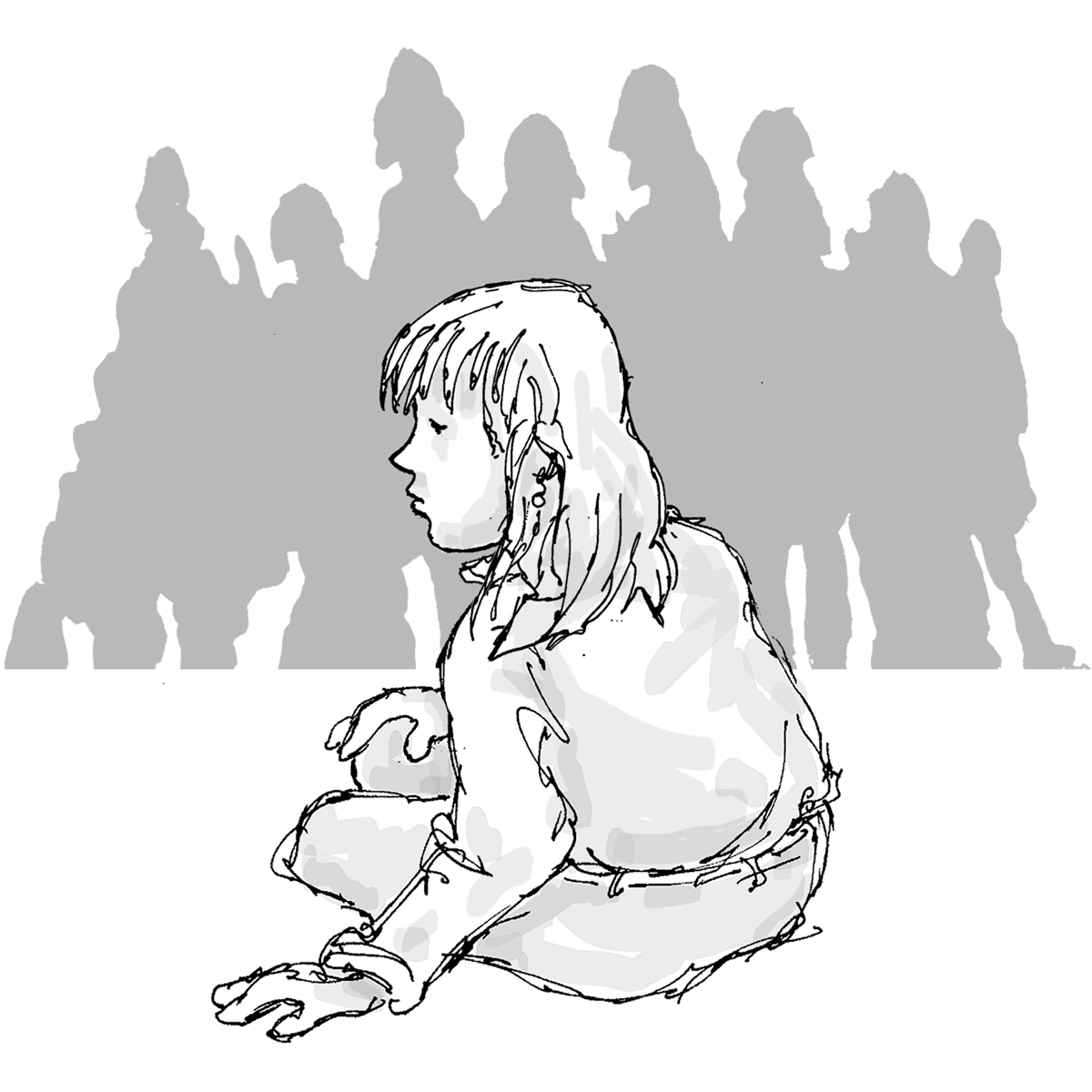
Autistic children and young people often present themselves differently in social settings than they feel inside. This phenomenon, known as autism masking, involves camouflaging natural behaviours to fit in—mimicking peers, suppressing instinctive responses, and hiding difficulties in social interaction. The National Autistic Society defines masking as the strategies individuals use to “hide difficulties in social interaction.”
Masking is exhausting. Many young people appear to cope at school, but the effort it takes comes at a significant cost.
What Triggers Masking?
Autistic children are particularly vulnerable to certain stressors, including:
- Change and transition
- Bullying
- Increased social demands
- More complex academic expectations
- The school environment itself
Added context: These triggers are not just minor inconveniences—they are daily pressures that demand constant adaptation, often at the expense of mental health.
The Hidden Struggles
Masking often conceals profound difficulties that can go unnoticed by teachers, peers, and even parents:
- Huge pressure on parents
- Anxiety and low mood
- Falling short of academic potential
- Self-harming thoughts or suicidal ideation
- Inattention or ADHD traits
- Difficulty falling asleep
- Sensory integration issues, including interoception difficulties and alexithymia
- Emotional regulation challenges
- Fussy eating or Avoidant/Restrictive Food Intake Disorder (ARFID)
Added insight: These struggles are not signs of failure—they are the cost of constant masking and unmet support needs.
The Consequences of Masking
When autistic children mask their behaviours over time, the effects can be severe:
- Deterioration of mental health
- Emotionally Based School Avoidance (EBSA), preventing access to education
As the NAS notes:
“Many pupils with the condition explain that by the time they get home they are feeling stressed, angry and worn out. These true feelings inevitably come out when they are at home, and parents and other family members bear the brunt of this.”
Another critical consequence is autism burnout, defined by the NAS as:
“A syndrome conceptualised as resulting from chronic life stress and a mismatch of experiences and abilities without adequate supports. It is characterised by pervasive, long-term (typically 3+ months) exhaustion, loss of function, and reduced tolerance to stimulus.”
Added emphasis: Burnout is not laziness or behavioural defiance—it is the nervous system and mind physically and emotionally overwhelmed by constant masking and unmet support needs.
Assessment: More Than a Label
It is essential to ask: Is the goal just a diagnosis, or a diagnosis plus effective support strategies?
A thorough evaluation should include:
- A detailed developmental history to identify actual needs, co-morbidities, and subtle indicators of difficulties
- Multi-professional assessment per NICE guidelines, including paediatricians, psychologists, and other specialists
Added context: Many CAMHS teams refuse assessment if there is insufficient information from the education setting. This creates a barrier that can prevent timely identification of needs and support.
Uncovering Hidden Challenges
Some of the most important, often overlooked assessments include:
- Specialist speech and language therapy: to detect subtle language disorders or processing difficulties, even in chatty children who mask their challenges
- Occupational therapy: to assess sensory integration, regulation, and daily functioning
Added emphasis: Proper assessment is about understanding the child—not fitting them into a generic checklist. When the right professionals are involved, the focus shifts from “what’s wrong?” to “what supports will help this child thrive?”
Conclusion: Seeing Beyond the Mask
Autistic children who mask are sending a clear message: They are struggling, even if it isn’t visible. By recognising triggers, assessing hidden challenges, and providing tailored support, schools, professionals, and families can prevent burnout, EBSA, and long-term mental health difficulties.
Added call-to-action: The goal is not simply a label—it’s a system that listens, understands, and responds. Only then can autistic children truly access education, fulfil their potential, and thrive both at school and at home.
Other Recent Posts
When “Being in School” Isn’t the Same as Accessing Education: Understanding EBSA
Not being physically in school is often recognised as EBSA (Emotionally Based School Avoidance). But EBSA also includes children who are technically…

The National Institute for Health and Care Excellence (NICE)
The National Institute for Health and Care Excellence (NICE) sets out clear expectations for autism assessment. In every area, a…
